
Plumbing DIY vs hiring a pro: what is actually safe to try yourself
By Diego Marsh · Updated 2026-07-16
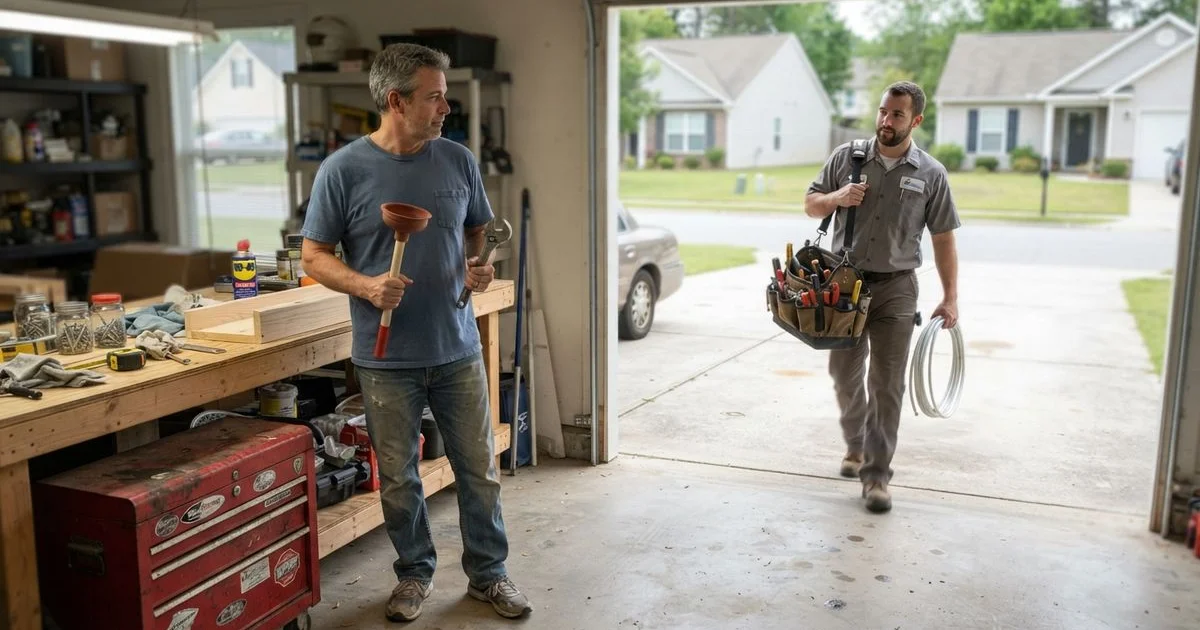
A running toilet or a slow drain doesn’t always need a phone call. Plenty of small plumbing problems are genuinely fine to handle yourself with basic tools and a little patience. The trick is knowing where that line sits, because plumbing complaint patterns show pricing frustration is real on small jobs, which is exactly why people reach for a wrench before a phone. Some of that instinct is right. Some of it isn’t.
What’s reasonable to try yourself
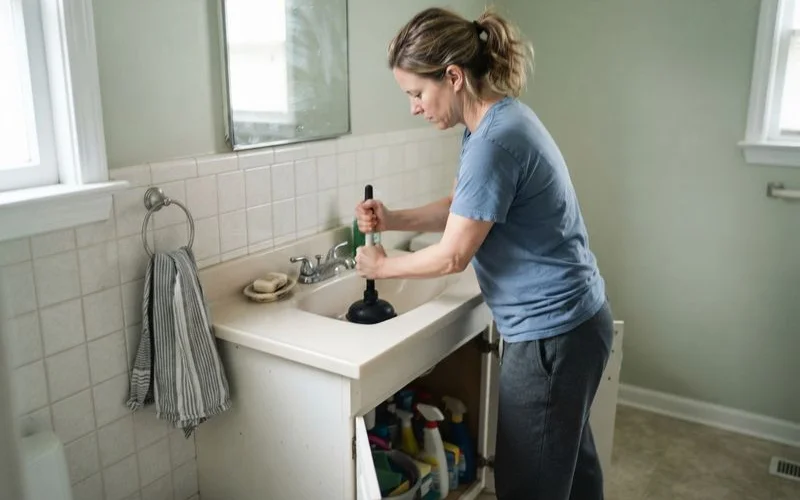
- Plunging a clogged toilet or sink. A standard plunger handles most single-fixture clogs. If it doesn’t clear within a few tries, stop before you make it worse.
- Replacing a toilet flapper or fill valve. A running toilet is usually one of these two parts, both are inexpensive and don’t require touching supply lines beyond a shutoff valve.
- Clearing a slow drain with a manual snake. A hand-crank drain snake (not a chemical cleaner) can clear hair and soap buildup in a sink or tub drain reasonably safely.
- Replacing a showerhead or faucet aerator. These thread on and off without touching the plumbing behind the wall.
- Tightening a loose fitting under a sink, if you can clearly see the connection and it’s a simple hand-tight fix, not a soldered or glued joint.
What to leave to a licensed plumber
- Anything involving gas lines. Water heaters, gas ranges, and gas piping carry real safety risk if a connection isn’t sealed correctly.
- Water heater installation or replacement. Beyond the gas or electrical connection, this usually involves venting requirements and often a permit and inspection.
- Repiping or work behind a wall or under a slab. Once you’re cutting into drywall or accessing a slab, mistakes are expensive to find and fix later, and this work is often subject to permit and inspection requirements.
- Sewer line or septic work. This requires specialized equipment (cameras, jetting tools) and, for septic in South Carolina, DHEC permitting. Our guide to what happens during that kind of visit covers what a professional cleaning or camera inspection actually involves.
- Anything you’ve already tried and made worse. If a simple fix turned into a bigger mess, that’s the signal to stop and call, not to keep pushing.
A quick way to decide
| Question | If yes | If no |
|---|---|---|
| Does it involve gas, electrical, or a permit? | Call a pro | May be DIY-safe |
| Is it behind a wall, under a slab, or underground? | Call a pro | May be DIY-safe |
| Do you understand what’s actually wrong? | Consider trying it | Call a pro before guessing |
| Have you already tried once and made it worse? | Call a pro now | Proceed carefully |
Why chemical drain cleaners deserve caution
A bottle of chemical drain cleaner feels like the easy first move, but it’s worth using sparingly. These products can corrode older metal pipes over repeated use, and if the clog doesn’t clear, a plumber may end up working on a pipe that’s now full of caustic chemical, which is a genuine safety concern for them and can limit what tools they’re willing to use on the spot. A plunger or a manual snake is a safer starting point for most clogs.
The real cost of a DIY job gone wrong
The appeal of DIY is obvious: no service call fee, no waiting for an appointment. But a failed attempt often costs more than calling a plumber from the start, a small leak that turns into a bigger one while you experiment, a warranty voided by an amateur repair, or in the case of gas or electrical work, an actual safety hazard. If a job has moved from “simple fix” to “I’ve opened something up and I’m not sure what I’m looking at,” that’s the point to stop.
Knowing the line between a reasonable weekend fix and a job that needs a license protects both your home and your budget. For guidance on choosing a provider once you’ve decided to call one, see our methodology, and visit the home page to browse plumbing categories in Conway.
Common questions
- Is it okay to use a chemical drain cleaner before calling a plumber?
- Use it sparingly, if at all. Chemical drain cleaners can damage older pipes and, if the clog doesn't clear, leave a plumber working with a pipe full of caustic chemical, which is a real safety issue for them. A plunger or a manual drain snake is a safer first try.
- Can I replace a water heater myself?
- Not recommended, especially for gas units. It involves gas line or electrical work, venting, and often a required permit and inspection. A mistake here carries real safety risk, not just a warranty issue.
- What's the actual risk of a DIY plumbing job gone wrong?
- Beyond wasted time, a failed DIY attempt can turn a small leak into a bigger one, void a manufacturer's warranty, or in the case of gas or electrical work, create a genuine safety hazard. The cost of calling a pro after a failed attempt is often higher than calling one first.
- How do I know when a job has gone beyond what I should handle myself?
- If you've opened something up and you're not sure what you're looking at, or a simple fix has turned into removing drywall or accessing a wall cavity, that's the point to stop and call a plumber rather than push further.