
Financing a big plumbing repair: payment plans and what to ask about
By Diego Marsh · Updated 2026-07-24
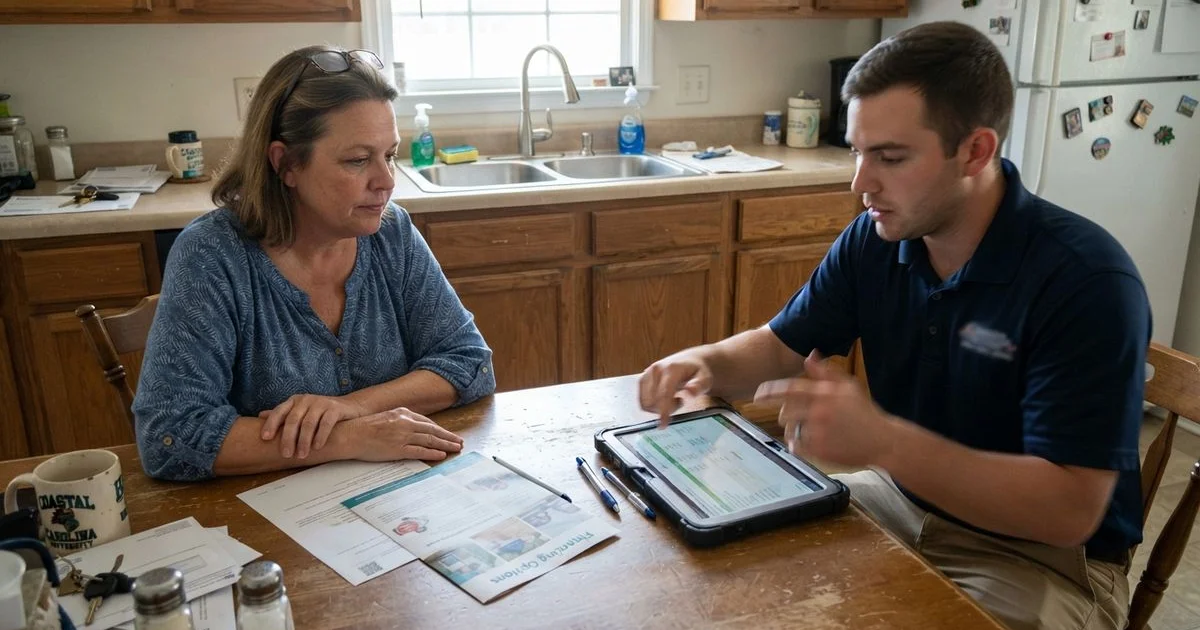
A water heater dying or a sewer line needing full replacement rarely lines up with a month where a few thousand dollars is sitting around unused. Before financing anything, it’s worth checking whether homeowners insurance covers any of it; sudden failures sometimes do, gradual ones usually don’t. Financing turns a repair you can’t pay upfront into one you can manage over time, but the terms matter as much as the decision to finance at all.
What financing options actually exist
- In-house payment plans: some plumbing companies offer to split a large invoice into installments directly, without involving a third party. Terms vary company to company, so ask specifically what the schedule and any interest look like.
- Third-party financing partners: many contractors partner with a financing company that offers a quick approval process at the point of sale, often advertised as same-day approval or promotional 0% interest for a set period.
- Personal loans: a bank or credit union personal loan gives you cash upfront to pay the plumber directly, with the loan terms separate from the repair itself.
- Credit cards: usable for smaller jobs or as a bridge, though the interest rate is often higher than a dedicated financing plan unless you’re using a card’s own promotional 0% offer.
- Home equity line of credit (HELOC): for homeowners with equity built up, this can offer a lower rate than unsecured options, though it uses your home as collateral, which is worth weighing carefully for a repair rather than a longer-term investment.
Reading the fine print on promotional financing
“0% for 12 months” and similar offers are common in contractor financing, and they can be a genuinely good deal, if you pay off the full balance within the promotional window. The catch that trips people up: many of these plans use deferred interest, meaning if any balance remains when the promotional period ends, interest gets applied retroactively to the entire original amount, not just what’s left. Ask directly whether the plan works that way before signing.
Comparing your options side by side
| Option | Typical rate range | Best for |
|---|---|---|
| In-house payment plan | Varies by company, ask directly | Smaller jobs, ongoing relationship with a local plumber |
| Third-party contractor financing | Promotional 0% to double digits after the promo period | Larger jobs, if you can pay off within the promo window |
| Personal loan | Fixed rate, varies by credit | Predictable payments, no risk of deferred interest surprises |
| Credit card | Often the highest ongoing rate unless using a 0% promo | Smaller repairs or short-term bridging |
| HELOC | Generally lower rate, uses home as collateral | Larger repairs, homeowners with existing equity |
Questions to ask before signing anything
- What’s the actual APR after any promotional period ends?
- Is this deferred interest (retroactive to day one) or simple interest (only on the remaining balance)?
- Is there a penalty for paying it off early?
- What happens if a payment is missed, is there a grace period or does the promotional rate end immediately?
Don’t skip the second quote just because you’re financing
It’s easy to focus on the monthly payment and lose sight of the total price. A financed repair is still a repair with a price tag, and if the situation isn’t an active emergency, getting a second quote is worth the extra day it takes, even when you’re planning to finance either way. A lower total price plus reasonable financing terms beats a higher price with attractive-sounding monthly payments.
Watch your credit before you apply
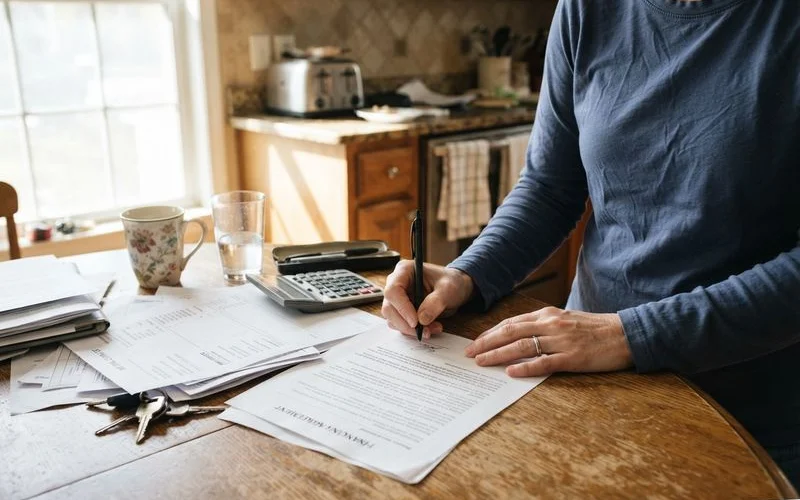
Most financing applications, whether through the contractor’s partner or a bank, involve a credit check. Applying to two or three financing options in a short window is generally treated as rate shopping and has a limited impact on your credit score, but spacing applications out over weeks can look like multiple separate credit inquiries and ding your score more than necessary. If you’re comparing options, try to get quotes and apply within the same short window rather than trickling applications out over a month.
It’s also worth checking your credit report for accuracy before applying for anything larger, like a HELOC or personal loan, since an error on the report can affect the rate you’re offered. A lower approved rate on a five-figure sewer line replacement is worth the ten minutes it takes to pull a free report first.
Financing turns an unaffordable repair into a manageable one, but only if the terms are actually favorable once you read past the advertised headline rate. For how we evaluate the plumbers offering this kind of work, see our methodology, and visit the home page to browse other plumbing categories in Conway.
Common questions
- Do plumbing companies actually offer financing?
- Many do, especially for larger jobs like water heater replacement, repiping, or sewer line repair. It's usually either an in-house payment plan or a partnership with a third-party financing company, so ask directly rather than assuming it isn't available.
- Is 0% financing on a plumbing repair actually free?
- Often it's a promotional rate for a limited period, and missing a payment or not paying off the balance in time can trigger retroactive interest. Read the terms carefully before signing, especially the fine print on what happens if the promotional period ends with a balance remaining.
- Should I use a credit card or a contractor's financing plan?
- It depends on the interest rate and terms of each. Compare the actual annual percentage rate (APR) side by side rather than assuming one option is automatically cheaper, and factor in how quickly you can realistically pay off the balance.
- Can I negotiate the price before financing an emergency repair?
- It's harder in a true emergency, but for anything that isn't actively causing damage, get a second quote if you can. A financed price is still a price, and comparing quotes matters just as much when payments are spread out.